
Nestled just south of downtown, in the shadows of stately trees and historic porches, Berkeley Place stands as one of Fort Worth’s most beloved neighborhoods. Its tree-lined streets, elegant architecture, and vibrant community spirit tell the story of a place with deep roots and an enduring sense of identity. For residents and visitors alike, walking through Berkeley Place is like stepping into a living history book—a place where each house has a tale, and every street exudes heritage.
Origins of Berkeley Place
The story of Berkeley Place begins in the early 20th century, at a time when Fort Worth was blossoming into one of Texas’s great cities. In 1924, brothers George and William Tandy—descendants of one of Fort Worth’s oldest families—purchased the 185-acre Van Zandt ranch property with a vision. They set out to design an upscale, garden-like neighborhood, inspired by the picturesque developments of the era.
The neighborhood's name, “Berkeley Place,” was likely selected to evoke the genteel elegance of institutions and neighborhoods elsewhere—think Berkeley, California, and the University of California. The term "Berkeley" itself has English roots meaning “birch lea” or “birch meadow,” conjuring images of leafy tranquility, which fits the area’s character to this day.
The Heart of Early Fort Worth
From its inception, Berkeley Place was intended for residents seeking both proximity to downtown and the serenity of suburban life. Early advertisements highlighted its raised elevation compared to other city areas, promising “fresh breezes and no dust”—a rare quality in 1920s Fort Worth. Streets like W. Baltimore Avenue, Park Place Avenue, and Dorothy Lane soon became synonymous with beautifully crafted houses, where Craftsman bungalows and stately Tudors showcased the popular architectural styles of the period.
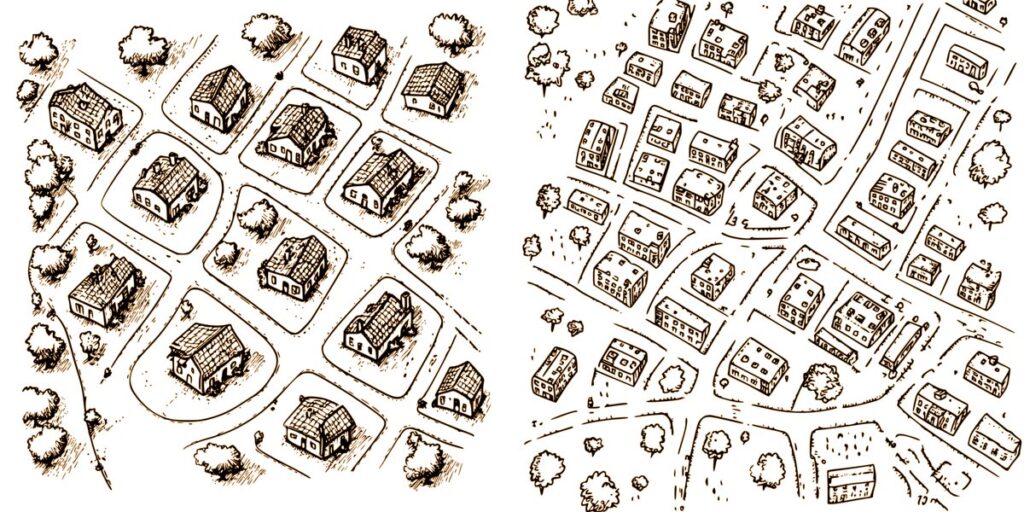
As larger homes appeared, these streets attracted prominent Fort Worth families, many of whom left enduring marks on local business, politics, and arts. The carefully planned neighborhood featured curved roads—not the typical grid—creating a sense of movement and grace.
Key Milestones and Community Growth
One cannot overstate the significance of the Fort Worth Independent School District’s decision to establish Lily B. Clayton Elementary School in 1922, even before the neighborhood’s full development. To this day, the school at 2000 Park Place Avenue remains a beloved institution and a gathering place for generations of Berkeley Place children and parents.
Throughout the decades, Berkeley Place matured gracefully. During the Great Depression, while some development slowed, homes continued to fill in, with each era leaving its architectural stamp—Tudors and Mediterranean-revival homes in the 1930s, ranch-style in the 1950s. After World War II, the area thrived as part of Fort Worth’s “public home tours” that began in the late 1940s, helping locals appreciate and protect their historic neighborhoods.
Notable Landmarks and Architecture
Berkeley Place boasts some of Fort Worth’s most remarkable historic architecture. The aforementioned Lily B. Clayton Elementary is itself an architectural treasure, designed by Wiley G. Clarkson in the Spanish Renaissance style.
Another point of pride is Berkeley Park, a six-acre green space at the heart of the neighborhood. Established in the 1920s and located at 2150 Park Place Avenue, it’s a backdrop for annual neighborhood picnics, children’s playdates, and quiet morning strolls. The park’s stone bridge and ornate entry columns are iconic, as is the “pocket park” on Forest Park Boulevard, which offers shaded benches under graceful live oaks.
Other landmarks include:
- The Berkeley Place stone entrance markers, which have greeted residents since the 1930s.
- Stately homes along Medford Court West and East—many still showcase original details like tile roofs, arched doorways, and stained-glass windows.
- The proximity of Forest Park, itself a major city park, which borders the neighborhood to the east and connects residents with walking trails, tennis courts, and the beloved Fort Worth Zoo.
Community Spirit and Preservation
One of the defining features of Berkeley Place is its sense of community. A neighborhood association, started in the 1970s, has played a key role in preserving the area’s unique character. Residents banded together to fight freeways that would have disrupted their peaceful enclave, making civic action and neighborly togetherness as much a part of Berkeley Place as its beautiful homes.
Neighborhood get-togethers, garden tours, and block parties are annual highlights, fostering intergenerational friendships. Halloween nights are legendary, with hundreds of children trick-or-treating in a safe, festive atmosphere. The neighborhood also organizes historical home tours, celebrating both architecture and the stories of those who have called Berkeley Place home.
How Berkeley Place Continues to Evolve
While change is inevitable, Berkeley Place has remained remarkably consistent in its charm. New families continue to move in, attracted by top-tier schools and an old-fashioned sense of community. Strict guidelines on renovations and new construction ensure that the architectural heritage is respected. The proximity to the thriving Magnolia Avenue district, with its restaurants and shops, means that residents get the best of both worlds: a peaceful retreat and access to urban amenities.
Today, joggers, cyclists, and dog-walkers can be seen daily along Forest Park Boulevard and the winding internal avenues. Porches are still gathering spots, and lawns are as likely to feature native Texas plants as traditional roses. The neighborhood’s blend of continuity and renewal keeps it one of the most desirable addresses in Fort Worth.
Why Berkeley Place is Special
Ask any longtime resident, and they’ll tell you: Berkeley Place feels like coming home. It’s a place where the past is always present, from the majesty of its old oak trees to the echo of children’s laughter at Lily B. Clayton Elementary. The combination of architectural beauty, welcoming neighbors, and a reverence for history makes Berkeley Place more than just another neighborhood—it’s Fort Worth’s living legacy.
So whether you’re admiring a classic Tudor on a morning walk or joining neighbors for an event in Berkeley Park, you’re part of a community that cherishes its heritage and looks to the future with pride.